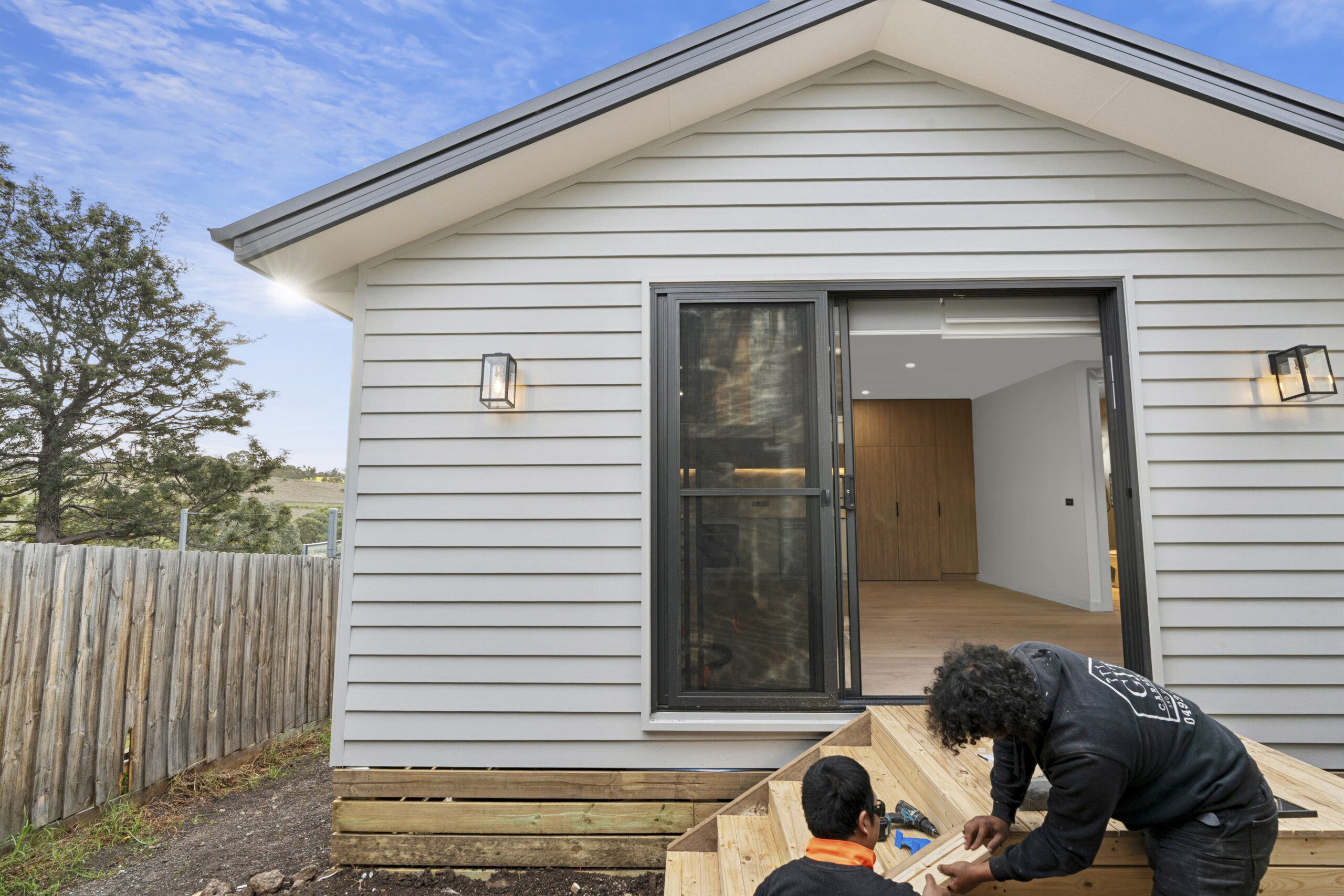
Across Australia, more homeowners are asking the same question: can I build a granny flat on my property?
It is an important question — and for good reason. As housing costs keep rising, more people are looking for practical ways to create extra space, support family, generate rental income, and make better use of the land they already own. That is exactly why granny flats have become one of the most talked-about property solutions in Australia.
However, while the idea sounds simple, the answer is not always straightforward. Not every block is suitable, and the only real way to know what is possible is to understand the planning controls, site layout, and development potential of your land.
Why More Australians Are Building Granny Flats
Granny flats are no longer seen as just a small dwelling for an elderly relative. Today, they are a smart and flexible property strategy for a wide range of homeowners.
For some, a granny flat creates space for adult children who want more independence but are not yet ready to buy their own home. For others, it provides a comfortable option for ageing parents, guest accommodation, or an extra source of rental income. In many cases, it simply helps homeowners make better use of an underutilised backyard.
That flexibility is a big reason why granny flats continue to grow in popularity. They offer a way to add function, value, and versatility to a property without needing to buy another block.
What Can a Granny Flat Be Used For?
One of the biggest benefits of building a granny flat is how many different ways it can be used.
Depending on your goals and local planning rules, a granny flat may be suitable for:
- adult children who need their own space
- ageing parents who want to stay close to family
- rental income
- guest accommodation
- a private retreat, studio, or work-from-home setup
For many homeowners, it is not just about adding another structure. It is about creating more options for the future.
Can You Actually Build a Granny Flat on Your Property?
This is where many people get stuck.
A large backyard does not automatically mean you can build a granny flat. In reality, whether you can build one depends on several important factors.
These often include:
- zoning
- lot size
- overlays
- access
- site layout
- private open space requirements
- local planning controls
- existing dwelling position on the block
- utility connections and service requirements
So while one property may look perfect at first glance, it may come with planning limitations. Meanwhile, another block may have far more potential than the owner expects. That is why assumptions can lead to wasted time, money, and poor decisions.
Signs Your Block May Have Potential
Every site is different, but there are a few common reasons a property may be worth investigating further.
A block may have good granny flat potential if it has usable land, suitable access, a workable layout, and planning controls that support additional development. On the other hand, constraints such as overlays, poor positioning of the existing home, limited open space, or servicing challenges can affect what is possible.
The key point is this: you cannot judge development potential by backyard size alone.
The Smart First Step: Get a Site Assessment
If you are serious about building a granny flat, the best first step is to get a Site Assessment.
A Site Assessment gives you clarity on what your block may actually be able to support before you spend money on plans, builders, or the wrong strategy. Instead of guessing, you get a clearer picture of what may be possible and what planning constraints apply.
At iSubdivide, a Site Assessment can help you understand:
- whether a granny flat may be possible on your block
- what planning constraints may apply
- how the site layout affects development potential
- what options may exist beyond a granny flat
- whether subdivision may be a better long-term move
For many homeowners, this is where the real opportunity becomes clear.
Common Mistakes Homeowners Make Before Building a Granny Flat
Many people get excited about the idea of a granny flat and jump straight into planning. Unfortunately, that can lead to mistakes.
Common early mistakes include:
- assuming enough backyard space means automatic approval
- talking to builders before understanding planning controls
- focusing only on the dwelling instead of the full site potential
- overlooking whether subdivision may offer a better outcome
- spending money before confirming what the block can support
This is why early advice matters. The right assessment can save you from chasing the wrong path. That is especially important when your block may be suitable for something even better than a granny flat.
Granny Flat or Subdivision: Which One Is Better?
For some homeowners, building a granny flat is the right move. For others, subdivision may provide a stronger long-term outcome.
A granny flat is usually an additional dwelling on the same title. Subdivision, by contrast, may create a separate lot or lead to a more independent development result, depending on the site and local planning controls.
If your goal is to create extra living space, keep family close, or add rental income, a granny flat may be ideal. But if you want to maximise land value, create a more substantial development outcome, or explore a separate dwelling arrangement, subdivision may be worth considering.
That is why it helps to look at the full picture before making a decision.
Why This Matters in Today’s Market
As property prices rise and housing affordability becomes more challenging, homeowners are under more pressure to use their land wisely.
People are no longer just asking whether they can fit a small home in the backyard. They are asking bigger questions about flexibility, income, family support, and long-term property value. Granny flats are part of that shift because they offer a practical solution in a market where space and affordability matter more than ever.
How to Find Out If You Can Build a Granny Flat
The best way to find out if you can build a granny flat on your block is to stop guessing and start with a professional assessment.
A Site Assessment can help you understand:
- what may be possible on your land
- whether a granny flat is likely to suit your property
- whether subdivision should also be considered
- what your next steps may look like
That clarity can save you money, reduce risk, and help you make a much more confident decision.
Thinking About Building a Granny Flat?
A granny flat can be a smart way to create more space, more flexibility, and more value from your property. But first, you need to know what your block can actually support.
At iSubdivide, we help homeowners understand the real potential of their land through a detailed Site Assessment. That includes whether a granny flat is possible, whether subdivision should also be considered, and what the best next step may be for your property. Book a free consultation with one of our property developers today!
Click here to find our more about iSubdivide’s Design + Build Granny Flat Packages